
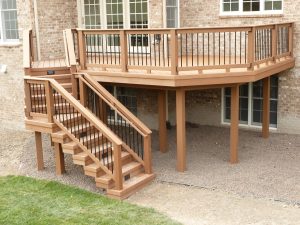
A wood deck can add beauty, function, and valuable outdoor living space to your home. Whether you use your deck for summer cookouts, family gatherings, relaxing in the sun, or simply enjoying your backyard, regular maintenance can help keep it looking great and performing well for years.
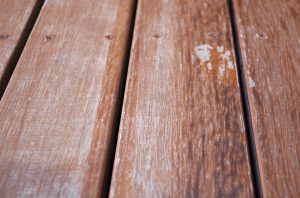
Because wood decks are constantly exposed to sunlight, rain, snow, moisture, and changing temperatures, they can eventually show signs of wear. Boards may crack, fasteners can loosen or corrode, and areas that remain damp may become vulnerable to rot.
Fortunately, routine wood deck care and maintenance can help you identify problems early and protect your outdoor space.
Spring and summer are great times to inspect your deck, especially after the harsh weather conditions that Michigan can experience throughout the winter.
Start by walking around the entire deck and looking for obvious signs of damage. Pay particular attention to areas around planters, downspouts, stairs, and other places where moisture may collect.
Here are several important areas to check.
Check deck boards, stairs, support posts, railings, and accessible areas underneath the deck for signs of deterioration.
Wood that feels unusually soft or spongy may indicate moisture damage or decay. You can gently test suspicious areas with a screwdriver to determine whether the wood has significantly softened.
Pay extra attention to sections that frequently remain damp. Addressing damaged wood early can help prevent a small repair from developing into a much larger problem.
The ledger board is an important structural component that connects many decks to the home. Because of its location, problems with the ledger or the surrounding flashing can create serious safety concerns.
Look for signs of:
A deck ledger should not rely solely on nails for its structural connection. If you are unsure about the condition of the ledger or how your deck is attached to your home, consider having it inspected by an experienced deck professional.
Don’t limit your inspection to the boards you walk on. Take a look underneath the deck when possible.
Check the posts, beams, joists, brackets, screws, bolts, and other connectors. Look for rust, corrosion, cracks, movement, or deterioration.
Loose or severely corroded hardware should be addressed promptly. Structural problems underneath a deck are not always obvious from the surface.
Wood naturally changes as it is exposed to the elements, and a few small surface cracks do not necessarily mean a board needs to be replaced.
However, you should watch for boards that are:
Replacing damaged boards can improve both the appearance and safety of your deck while preventing the damaged area from becoming worse.
Railings should feel solid when gently tested. If a railing moves noticeably, inspect its posts, connections, and fasteners to determine the cause.
You should also inspect stairs and handrails. Look for loose boards, deteriorated stringers, damaged steps, or other areas that could create a safety concern.
Avoid simply covering a structural crack with adhesive without determining why the railing or stair component became loose. Significant movement or deterioration may require repair or replacement.
Regular cleaning is another important part of wood deck maintenance. Leaves, dirt, pollen, mildew, and other debris can collect on the surface and between boards.
Start by removing furniture, planters, grills, and other items from the deck. Sweep away loose debris and clean between the boards where dirt and organic material can accumulate.
Use a cleaning product designed for your particular type of wood and follow the manufacturer’s directions. A deck brush can help loosen stubborn dirt before rinsing the surface.
A pressure washer can be used on many wood decks, but more pressure is not necessarily better.
Excessive pressure or holding the nozzle too close to the surface can damage wood fibers and leave visible marks. If you pressure wash your deck, use a lower setting, a wide fan spray, and test an inconspicuous area first.
For some decks, a deck cleaner, brush, and garden hose may be all that is necessary.
Cleaning your deck is only part of protecting the wood from the elements.
Depending on the type of wood and existing finish, your deck may periodically benefit from staining or sealing. A quality exterior deck finish can help reduce the effects of moisture and UV exposure while refreshing the appearance of the wood.
Before applying any new product, make sure the deck is clean, properly prepared, and completely dry. Always follow the stain or sealer manufacturer’s application instructions.
Moisture is one of the biggest concerns when maintaining an outdoor wood structure.
Make sure gutters and downspouts are directing water away appropriately. Avoid allowing leaves and debris to remain trapped against the deck, and occasionally move planters or outdoor furniture so the wood underneath can dry.
Good drainage and airflow can make a significant difference in the long-term condition of a wood deck.
Your deck is an extension of your home, and a little preventative maintenance can go a long way.
Regularly cleaning the surface, inspecting the structural components, checking railings and stairs, and addressing damaged boards early can help your deck remain a comfortable and attractive place to spend time outdoors.
If your current deck needs more than routine maintenance—or you’re thinking about adding a new deck to your backyard—Miles Bradley Building and Remodeling can help.
Contact Miles Bradley with your questions or fill out our free quote request to get started on your next outdoor home improvement project.
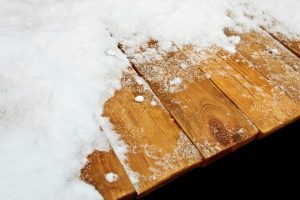
Even in the wintertime, you need to take measures to prevent your deck from becoming a hazard.
Although people rarely use their deck throughout the winter, it is still important that a homeowner does not neglect it. Injuries and accidents could occur on your deck making you liable, especially if you have been ignoring the upkeep. Winter creates conditions that will increase the likelihood of slips and falls. Here are some tips from Miles Bradley on how to prevent your deck from becoming a hazard.
Let’s start with the obvious things that will make your deck dangerous: ice and snow. While clearing the snow is easy enough, removing the ice is another story. Some people think that sprinkling grit salt is a good solution but this can be incredibly harmful to your deck. Due to composite decks having a high percentage of hardwood fibers inside, this abrasive material can mark up your deck quickly. This also applies to harsh anti-slip chemicals that can stain and discolor your deck.
Instead of relying on grit salt and harsh chemicals, the best way to remove ice is to use warm water. Just fill a bucket with warm water and pour it over the deck to melt away the ice build-up. Sometimes, there will be residue left, but that can be easily removed through cleaning. After applying the warm water, use a squeegee to remove the excess and a dry mop. Also, apply non-slip methods to ensure safety.
When it rains or snows, decks tend to become a slipping hazard. However, adding some non-slip mats and adhesive treads can be a great solution for that. These are affordable solutions to install that will prevent accidents. Treads and mats provide extra grip, reducing the chances of slipping and falling. In addition, mats come in a variety of styles allowing you to choose what is best for your deck.
Although it can be hard with winter snow and ice, you should do regular cleaning when the weather is right. While ice and snow are hazards, the biggest slipping hazard is the build-up of mildew and mold. Once the weather is good, use a hose or powerwash on a low setting to remove mold, debris, and other things that will make your deck hazardous!
 Decks are a wonderful addition to any home, providing an outdoor living area that you and your guests can enjoy. However, like any living space, the deck runs the risk of being stained. Someone could drop a drink or food. Or someone could get hurt and leave blood behind. Pets laying on the deck and leaving unpleasant stains. Even nature has its ways of staining your deck. All of these events are common and unavoidable. When these incidents happen, it’s important to tackle these stains correctly. Below are common occurrences and some tips on cleaning deck stains.
Do you still have a barbeque stain on your deck from your last party? Food can leave grease and sauce stains if they make contact with your deck. The best way to remove these types of stains is to use grease-cutting dish soap and hot water. Using dish soap, you want to rub the stain with a stiff-bristled brush. Once the stain is loosened, take a wet sponge to mop up the residue. After using the sponge, rinse the area garden hose before the area is dry.
Most people do not realize that leaves can actually stain your deck. However, if your deck is close enough and the conditions are right, it can happen. Also, nearby trees can deposit sap on your deck leaving a nasty, sticky mess. First of all, let’s cover cleaning up leaf stains. All you need to clean these stains is dish detergent and warm water. You combine the dish detergent and water to create a solution that you apply to the stain. After application, let the solution sit for 15 minutes before you scrub and rinse. You also can use an oxygen bleach solution if the stain does not come out.
When trying to remove tree sap, you are going to need a scrub brush, Murphy oil soap, and water. First, you will need to apply the oil soap to soften the sap residue. Let the soap sit for 15 minutes before scrubbing the area with a brush and rinse.
Over time, mildew and mold can stain your deck. Keeping it on your deck is a health hazard, so cleaning these stains are a priority. There are multiple items that you need to clean mildew and mold. These items include:
Before you can remove the stain, you have to clean the surface with the commercial deck cleaner. If you are using a liquid deck cleaner, you can just apply it. However, if you are using powder deck cleaner, you will need to mix the powder with water. Both should be rubbed into the stain with a stiff brush or broom. After you let the solution sets, brush the area before hosing it down with water.
There are plenty of other stains that your deck can suffer. However, the best way to fight against stains is to prevent them. When building your deck, you should choose decking materials that are resistant to stains! This includes composite decking that has inherent stain resistance or woods that are difficult to stain. If you want to build your deck to prevent staining, then you should contact Miles Bradley to see what options you have!
It is time for some spring deck cleaning! After an intense winter season, the weather is warming up. Now that the snow has melted away, you should be setting up your deck for springtime. That means cleaning up your deck and getting an inspection! However, what is the best method to clear up your outdoor space? Miles Bradley has some amazing tips to help you with your spring deck cleaning!
Over the winter, debris can build up on your deck. Dirt and grime get packed onto the planks. This can surface damage to your deck if it is not removed thoroughly. While you can sweep dirt and dust from the deck, debris can find itself between the planks and in the grooves. In order to get these components out, we recommend using a plastic putty scraper. A metal scraper can cause permanent damage to your deck. However, a plastic scraper is less traumatizing to the deck material.
You will also need to clear the potential mildew and mold that can be forming on your deck from the extensive winter. After all, the snow can prevent proper ventilation and sunlight from reaching your deck. Once you are clearing all the debris and giving it efficient sweeping, it is time to use some cleaner. However, the type of cleaner and techniques that you use can vary depending on your deck.
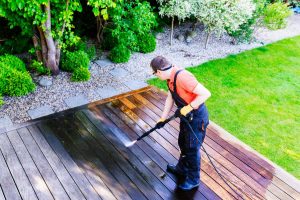
getting the initial dirt off of your outdoor space, it is time to wash it down. However, the material used for your deck will affect how you approach this process. While you can use a standard deck cleaner for wood decks, composite and PVC decking is different. For composite decks, you should find a cleaner that is formulated for composite materials. Furthermore, you should not powerwash this type of deck. The power washing process is too rough for a composite deck and can cause damage. Unlike wood, PCV material is easier to clean but lacks some of the preferred attributes of composite decks. You can use general soap and warm water to wash down your PVC deck.
One of the best ways to clean your deck’s surface is by using a stiff brush and using a circular motion to get any remaining grime from the grooves. Once you are done rinsing the deck, you should let the outdoor space dry for a couple of days before putting furniture onto the surface. This will also give you time to seal your deck (if you need to).
In some cases, you may want to get your deck inspected first. If you have a wood deck especially, it can be adversely affected by moisture.
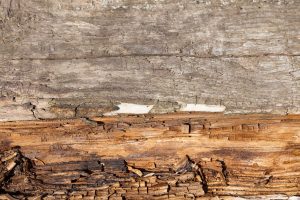 Winter can warp, rot, decay, and crack in your deck due to the weather conditions. The extent of the damage might not be obvious. However, over the years it can cause the lifespan of the deck to dwindle. A wood deck inspection will help you determine if repairing and replacing wood will meet your needs in the years to come. Depending on the age and level of wear, you may want to get a quote for low maintenance Trex deck!
Get a Deck Inspection or Request a Quote on a New Deck!
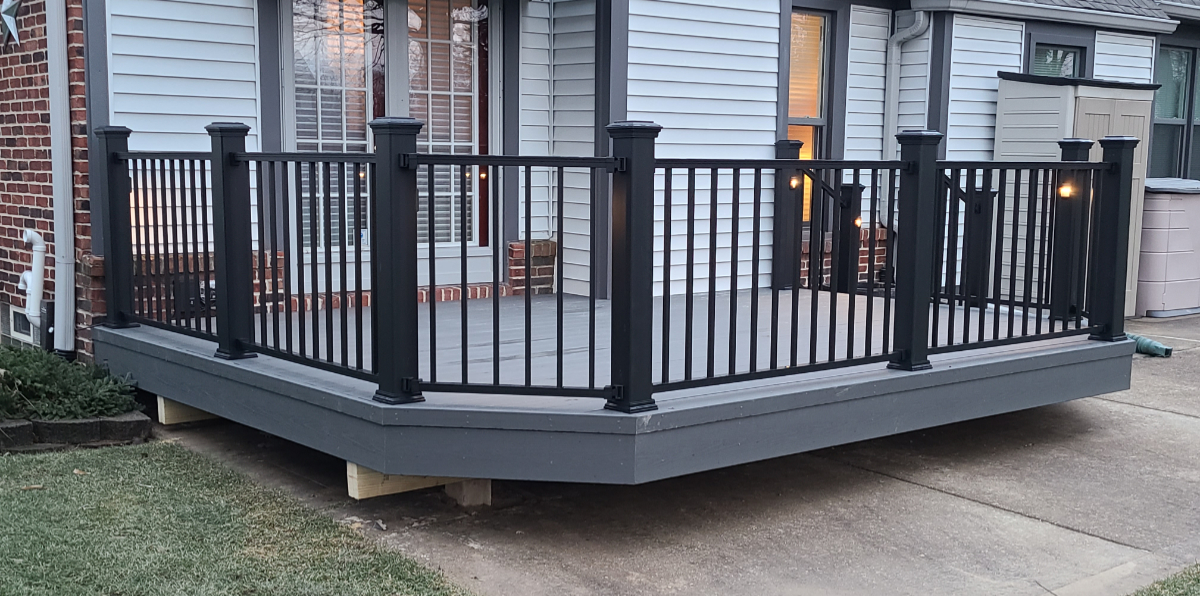
The recent Michigan snowfall has stirred up concerns for new deck owners on how to properly maintain their decks during the winter months. We often get questions about removing the snow on your deck in the winter. As your trusted deck-building company, we are happy to address any concerns that you may have about maintaining your deck in the winter.
You do not have to remove the snow from the deck. Also, we only recommend that you clear a path if the deck is connected to your house to avoid accidents.
Your deck will not collapse from the added weight of the snow. Miles Bradley builds high-quality low-maintenance decks that are built to withstand the Michigan winter. When you mix Trex decking with our great workmanship, you get a strong deck that can handle the weight of people, furniture, or snow.
Will I mess up the deck by shoveling it?
If you plan to shovel the snow off of your deck, we recommend that you use a rubber shovel. Metal shovels can possibly scratch up your deck. When shoveling, we also recommend that you use one big stroke and run the shovel down the length of the boards.
What products are recommended to remove snow and ice?
To remove snow and ice, we recommend that you use rock salt or calcium chloride.
Finally, thanks for being a valued customer of Miles Bradley. We look forward to another great year with you. If you are in need of deck repairs or a new deck this fall or winter call 248-478-8660. In addition, you can request a quote right now!